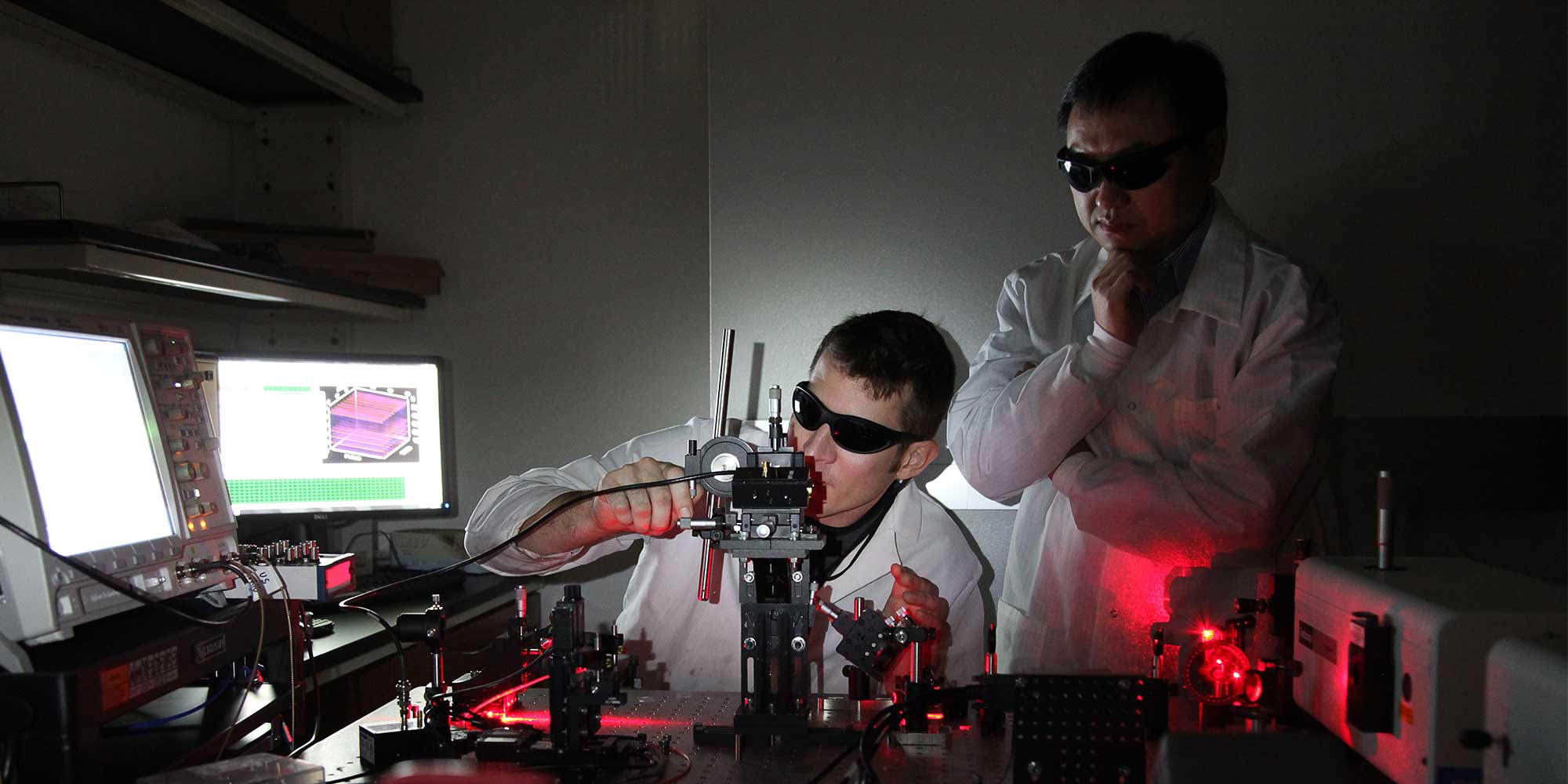
Our research is focused on the development of novel biophotonics technologies technologies to tackle critical challenges in biomedical engineering and clinical translation.
Laser Intravascular Lithotripsy for Coronary Artery Calcification
Coronary artery calcification significantly limits the effectiveness of percutaneous coronary interventions by reducing vessel compliance, hindering device delivery, and increasing the risk of restenosis and other adverse clinical outcomes. In collaboration with Dr. Marc Feldman, an internationally recognized interventional cardiologist, our lab is developing a novel laser-based intravascular lithotripsy (IVL) technique to more effectively treat calcified lesions. Promising results have been obtained. The new findings will be published soon.
Optical Biosensing
We have developed and patented a suite of innovative biosensing technologies for both in vivo and in vitro applications.
- Development of a Unique Photonic Crystal Label-free Biosensor
We have developed and patented a novel label-free biosensor based on a Photonic Crystal used in a Total Internal Reflection (PC-TIR) configuration. The PC-TIR biosensor features an open optical microcavity that facilitates direct molecular access to the sensing surface, enabling highly sensitive and real-time label-free detection. This unique sensor has been evaluated and validated through a wide range of applications, including drug toxicity screening, detection of cardiac biomarkers, differentiation of prostate cancer cells, and quantification of endotoxins.

A PC-TIR biosensor integrated with a 3D liver-on-a-chip platform for real-time, continuous, and multiplexed monitoring of liver-secreted biomarkers for drug toxicity screening.
- Development of a Unique Double-Clad Fiber-Optic Probe
We have developed and patented a double-clad fiber-optic probe for enhanced in vivo two-photon fluorescence detection. The double-clad fiber probe significantly improves fluorescence signal collection efficiency from deep tissue, enabling real-time monitoring of biological processes. For example, it has been utilized for monitoring a multifunctional nanoparticle-based drug delivery system in a live mouse model.

Investigate laser-induced cavitation microbubbles and shockwaves
We investigated laser-induced cavitation microbubbles across various media, including water, tissue phantoms, and cells. Using ultrafast laser pulses and ultrasonic monitoring, we showed that bubble size, lifetime, and collapse dynamics can be independently tuned by controlling laser pulse fluence, total number of pulses delivered, and the period between pulses. We also discovered a novel phenomenon that laser-induced cavitation bubbles can be trapped in a self-focused femtosecond laser beam. Additionally, we developed a multimodal platform integrating optical, acoustic, and electrophysiological techniques for real-time imaging and measurement of single-bubble cavitation and cell membrane disruption. Currently, we focus on utilizing shockwaves generated from the cavitation bubbles for important cardiovascular applications.
 .
.
Photoacoustic Imaging
We developed and patented a cutting-edge optoacoustic sensor featuring an open optical microcavity for highly sensitive detection of high-frequency photoacoustic signals. Complementing this, we also created a patented filtered back-projection algorithm that incorporates a rigorously derived weighting function from the photoacoustic wave equation. This innovation enhances image contrast and resolution, pushing the boundaries of photoacoustic tomography for biomedical applications.

Targeted Drug Delivery
Personalized medicine provides a unique opportunity for patients to receive individually tailored, targeted therapy for optimized treatment efficacy. The ability to control the release of therapeutics in targeted tissues, with a desired spatial distribution, and at an adjustable rate according to the drug response of each individual is important for personalized medicine. We have been working synthesizing a unique hybrid material as a nano-carrier for targeted drug delivery for enhanced cancer treatments.

Optical Biosensor for Endotoxin Detection
Limulus amoebocyte lysate (LAL) testing has been an important part of the pharmaceutical quality control toolkit. It allows for in vitro endotoxin testing, which has replaced tests using animals, such as using rabbits’ thermal response to judge pyrogenicity of test samples, thus leading to a less expensive and faster test of parenteral pharmaceuticals and medical devices that contact blood or cerebrospinal fluid. However, limited by the detection mechanisms of the LAL assays currently used in industry, further improvement in their performance is challenging. To address the growing demand on optimizing LAL assays for increased test sensitivity and reduced assay time, we have developed an LAL assay approach based on a detection mechanism that is different from those being used in industry, namely, gel-clot, turbidimetric, and chromogenic detection. Using a unique open-microcavity photonic-crystal biosensor to monitor the change in the refractive index due to the reaction between LAL regents and endotoxins, we have demonstrated that this approach has significantly improved the LAL assay sensitivity and reduced the assay time.
Neuroengineering based on Photoacoustic Imaging
Under development.
Acknowledgement to Funding Agencies
We are grateful for the following funding agencies for their grant support of our research projects.
|
National Institutes of Health (NIH), including NCI, NIBIB, and NIGMS

|
United States Department of Defense (DoD)

|
|
National Science Foundation (NSF)

|
Cancer Prevention Research Institute of Texas (CPRIT)

|
|
United States Department of Agriculture (USDA)

|
San Antonio Area Foundation

|
|
San Antonio Life Sciences Institute

|
UTSA-SwRi Connect Grant

|
|
UTSA VPR Office

|
Harry S Moss Heart Trust
|



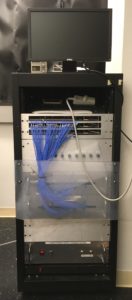
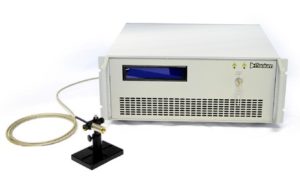
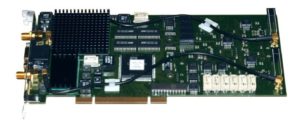 This system has picosecond resolution, ultra-high sensitivity, high-speed on-board data acquisition, and multi-detector / multi-wavelength capability.
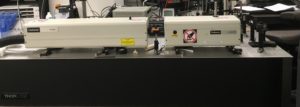 Tunability from 410-2650nm is achieved with the THG (355nm) of a Q-switched Nd:YAG laser. This system provides high pulse energy (up to 70mJ) and 3-5 ns pulse duration.
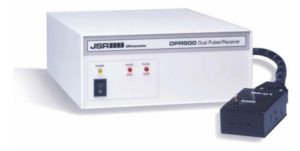 This system has two complete high frequency ultrasound pulser/receivers integrated into one unit. The bandwidth of the receiver and the bandwidth of the pulser are both larger than 300 MHz.